
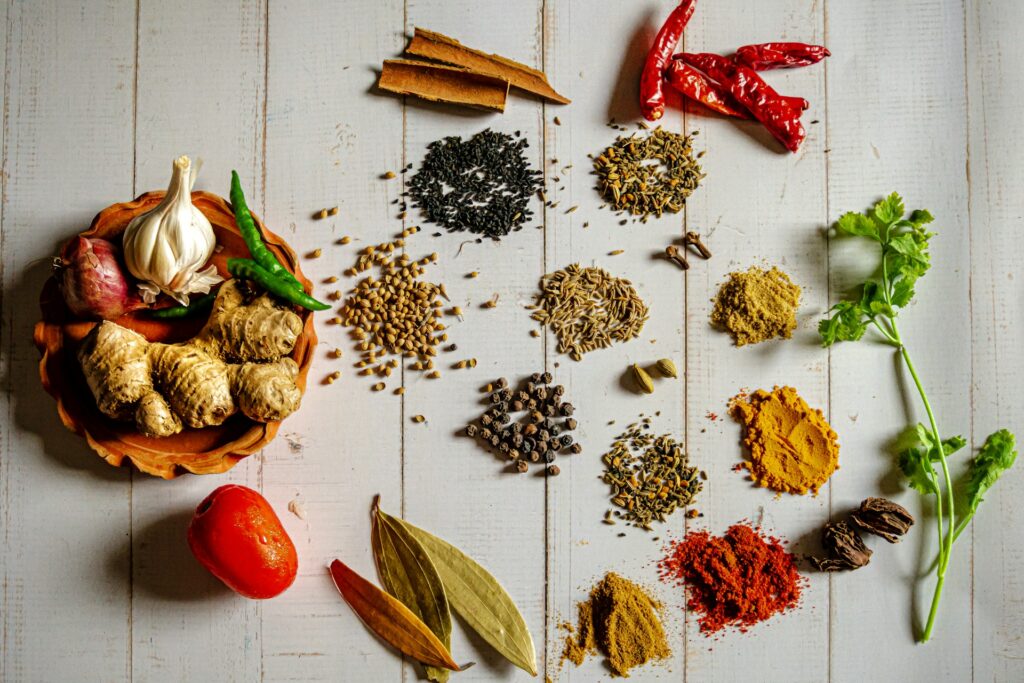
South Asian cuisine isn’t just flavorful, it’s functional because behind every pinch of spice lies centuries of tradition and now, an expanding body of scientific research. Modern nutrition science has begun to validate what our ancestors instinctively knew: many of the spices used in everyday cooking have powerful bioactive compounds with therapeutic benefits.
This isn’t about old wives’ tales or trending natural “hacks.” This is science-backed nutrition, rooted in culture and relevant to modern health challenges, especially those that disproportionately affect South Asians, such as type 2 diabetes, high blood pressure, and obesity.
Let’s explore 10 of the most researched spices in South Asian cuisine and what science has to say about their health benefits.
1. Turmeric (Haldi)
Key Compound: Curcumin
Common Forms: Powder, capsules, standardised extracts
What research shows:
Curcumin exhibits strong anti-inflammatory properties and has been shown to improve insulin sensitivity. Clinical studies suggest it can help reduce fasting glucose, HbA1c, and inflammation markers, making it relevant for managing both type 2 diabetes and high blood pressure. It may also support fat metabolism and appetite regulation.
Suggested Dose: 500–2,000 mg/day of curcumin extract.
Note: Dietary turmeric contains significantly less, but it still makes a meaningful contribution. Absorption Tip: Combining turmeric with black pepper (piperine) significantly enhances curcumin absorption by up to 2,000%.
2. Garlic (Lahsun)
Key Compound: Allicin
Common Forms: Raw, cooked, aged garlic extract, capsules
What research shows:
Allicin promotes vasodilation, helping reduce blood pressure. Garlic also improves lipid profiles by lowering total cholesterol and LDL levels. It may modestly reduce blood glucose and enhance thermogenesis, which supports weight management.
Suggested Dose: 600–1,200 mg/day of aged garlic extract or 1–2 raw cloves/day. Note: Raw garlic is potent, introduce gradually, especially if prone to gastrointestinal sensitivity.
3. Fenugreek (Methi Seeds)
Key Compounds: 4-hydroxyisoleucine, galactomannan
Common Forms: Whole seeds, powder, sprouted seeds, capsules
What research shows:
Fenugreek helps regulate blood sugar by delaying carbohydrate absorption and improving insulin response. It’s also linked to reduced cholesterol and increased satiety, making it useful for managing post-meal glucose spikes and appetite.
Suggested Dose: 5–15 grams/day (seeds or powder) or 1,000–2,000 mg/day in supplement form.
Usage Tip: Soak overnight and consume both seeds and water to help manage glucose levels naturally.
4. Cinnamon (Dalchini)
Key Compounds: Cinnamaldehyde, polyphenols
Common Forms: Cassia (most common) or Ceylon (true cinnamon)
What research shows:
Cinnamon has been shown to improve insulin sensitivity, reduce systemic inflammation, and lower fasting glucose, LDL, and triglycerides.
Suggested Dose: 1–6 grams/day (approximately 1–2 teaspoons or capsules). Important Note: Cassia cinnamon, often found in stores, can cause liver toxicity at high doses. For long-term use, opt for Ceylon cinnamon, which has a safer profile.
5. Black Cumin (Kalonji / Nigella Sativa)
Key Compound: Thymoquinone
Common Forms: Seeds, oil, capsules
What research shows:
Black cumin has been shown to reduce HbA1c, fasting glucose, and blood pressure. It may also support weight loss by reducing waist circumference and body fat, alongside its antioxidant and anti-inflammatory benefits.
Suggested Dose: 1–3 grams/day (seeds) or 500–1,000 mg/day (oil extract). Usage Tip: Taking it with meals may enhance absorption.
6. Chilli Peppers (Laal Mirch / Hari Mirch)
Key Compound: Capsaicin
Common Forms: Fresh, dried, flakes, extract
What research shows:
Capsaicin stimulates thermogenesis, increases calorie burn, and helps suppress appetite. It may also support cardiovascular health by reducing LDL and increasing HDL cholesterol. While it doesn’t directly affect blood sugar, it can aid weight management, which indirectly improves metabolic outcomes.
Suggested Dose: 2–10 mg/day of capsaicin or moderate amounts through food. Note: Individual tolerance varies (excessive intake can cause gastrointestinal discomfort)
7. Black Pepper (Kali Mirch)
Key Compound: Piperine
Common Forms: Whole peppercorns, ground pepper, extract
What research shows:
Piperine enhances the absorption of several nutrients, including curcumin. It may also improve insulin sensitivity, stimulate digestive enzymes, and support gut health.
Suggested Dose: 5–20 mg/day via supplements or ½ to 1 teaspoon/day in food. Usage Tip: Pair with turmeric for maximum bioavailability.
8. Ginger (Adrak)
Key Compound: Gingerol
Common Forms: Fresh, dried, tea, capsules
What research shows:
Ginger helps lower inflammation, improves insulin sensitivity, and enhances digestion by promoting gastric motility. It may mildly reduce blood pressure by improving arterial function. Suggested Dose: 1–3 grams/day (fresh) or 250–1,000 mg/day (extract).
Usage Tip: Add to warm water or tea before meals to support digestion and glycemic control. 9. Cardamom (Elaichi)
Key Compounds: Cineole, limonene
Common Forms: Whole pods, ground powder, oil extract
What research shows:
Cardamom may help lower blood pressure and is rich in antioxidants that support vascular health. It also has mild stress-reducing properties, which may reduce emotional eating. Suggested Dose: 1–3 grams/day (pods or powder).
Bonus: Its aroma and flavour also make it a naturally enjoyable addition to both traditional and modern dishes.
10. Clove (Laung)
Key Compounds: Eugenol, gallic acid
Common Forms: Whole cloves, ground spice, extract
What research shows:
Cloves are potent antioxidants and help reduce inflammation, improve insulin sensitivity, and lower blood glucose and lipid levels. They also offer mild appetite regulation and gastrointestinal protection.
Suggested Dose: 1–3 cloves/day or up to 500 mg/day as an extract.
Warning: Avoid using concentrated clove oil without supervision, it can be toxic at high doses. Honourable Mentions (Emerging Research)
Mustard Seeds: May support metabolic rate and reduce inflammation
Coriander Seeds (Dhaniya): Mild blood pressure and glucose-lowering effects Fennel (Saunf): Reduces bloating and may help control appetite.
Can You Overdo It? Yes. Natural Doesn’t Always Mean Harmless
While these spices offer therapeutic potential, excessive or unsupervised use, especially in concentrated supplement form can actually lead to side effects:
Cinnamon (Cassia): Potential liver toxicity at high doses
Garlic: May thin blood and cause gastric irritation
Turmeric: Can cause nausea or interact with blood thinners
Clove Oil: Toxic in high quantities
Ginger/Chilli Peppers: May aggravate acid reflux or ulcers
Fenugreek: Risk of hypoglycemia when combined with diabetes medication Always use therapeutic doses under the guidance of a trained professional. Culinary amounts are generally safe for most individuals.
From Spice Rack to Strategy: A Culturally Intelligent Approach to Nutrition
At SA Wellness, we don’t romanticise spices, we respect them. Our philosophy is that culturally relevant foods, when used strategically, can support measurable health outcomes. But they are not miracle cures or quick fixes.
Spices are tools, powerful ones but they are most effective when used in the context of:
● A personalised nutrition plan
● Sustainable lifestyle practices
● Guidance from professionals who understand the cultural nuances of your meals
Because knowing what “tempering with mustard seeds” means shouldn’t be a barrier to expert care. At SA Wellness, we speak both the language of science and the language of spice.