
“I stopped eating bread. It’s too processed.”
“I make rotis fresh every day. No bread in our house.”
“Honestly, I just eat toast. Who has time for rolling dough in the morning?”
If you’re a South Asian living abroad, chances are you’ve found yourself somewhere in the middle of this ongoing debate, torn between cultural tradition, modern convenience, and a sense of health-related guilt.
Some of us reject store-bought bread completely, dismissing it as too “Western” or unhealthy. Others quietly toast multigrain slices while avoiding judgment in friend groups. And many try to stick to the practice of making fresh rotis, until kids, jobs, or life get in the way.
But this isn’t really about bread versus roti.
It’s about identity, modern life, and how we redefine what “healthy” looks like when you’re part of a diaspora.
Roti: The Gold Standard, But at What Cost?
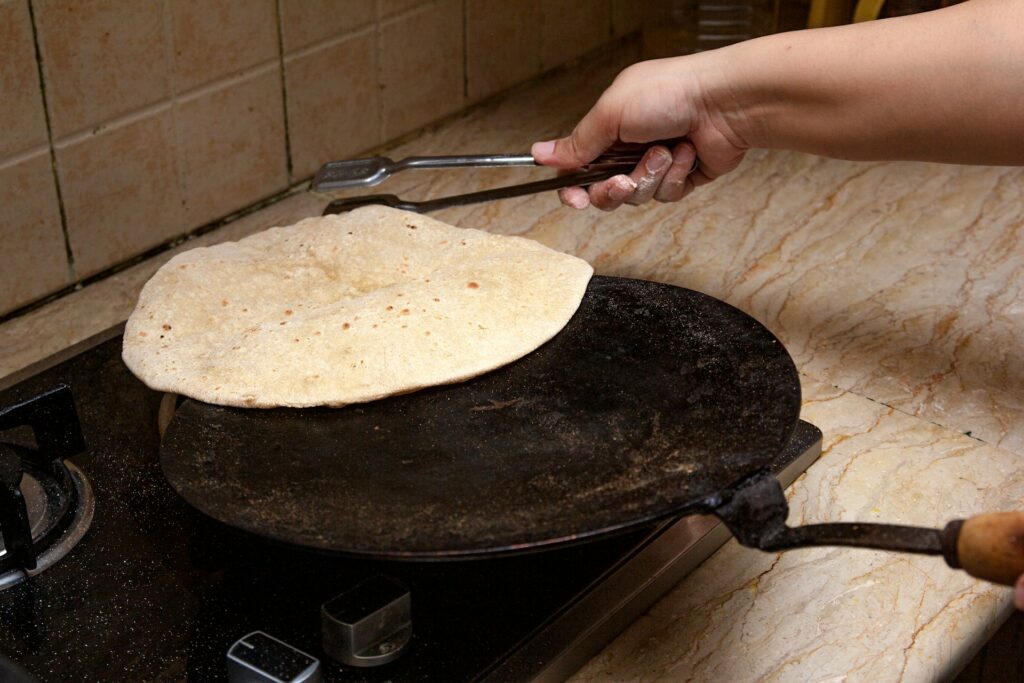
Rotis have long been central to South Asian meals, particularly in North Indian, Pakistani, and Nepali households. Made from whole wheat (atta), they’re high in fibre, low in fat, and offer slow-release energy that supports blood sugar regulation and satiety. More than that, rotis carry cultural and emotional weight. They connect us to home, to family, and to a sense of nourishment that goes beyond just nutrition.
However, making roti is a process, one that demands time and energy. You don’t just grab a roti from the shelf. You knead the dough, let it rest, roll it evenly, heat the tawa, flip, puff, and serve. This ritual, while beautiful, can feel overwhelming in Western households where double shifts, solo parenting, or lack of domestic help are part of everyday life.
In that context, roti can feel less like tradition and more like pressure. So, we stop, or feel guilty when we don’t keep up.
Bread: Convenient or Concerning?
In many South Asian communities, store-bought bread is viewed as a shortcut, less nutritious, overly processed, and a break from tradition.
And yes, many commercial white breads are low in fibre, contain added sugars, and include preservatives. But not all bread is created equal.
There are healthier varieties available:
- 100% whole grain or sprouted wheat breads
- Rye or sourdough without added sugar
- Low-sodium, seed-rich options
- Gluten-free breads for those with sensitivities
Bread can absolutely be part of a healthy diet if chosen thoughtfully and paired with nutrient-dense foods. In fact, a slice of whole grain toast topped with a boiled egg and avocado may be far more balanced than multiple butter-rich rotis served with oily pickles.
It’s Time to Reframe the Question
The real question isn’t “Is bread healthier than roti?”
It’s:
- What does your daily routine allow?
- Which option supports your health goals?
- Can you honour your heritage while living within your reality?
Because food isn’t just fuel, it’s functional. And for South Asians living abroad, functionality matters deeply.
Smart Solutions for the Time-Strapped Roti Lover
If rotis are your preference but time is your challenge, here are a few practical workarounds:
1. Batch and Freeze
Make a batch of rotis over the weekend. Layer them with parchment paper, freeze, and reheat in a pan when needed. They puff up beautifully and retain texture.
2. Try Store-Bought Rotis or Whole Wheat Wraps
Brands like Annapurna, Shana, or Whole Foods 365 offer preservative-free options with respectable nutrition profiles.
3. Use a Roti Maker or Rotimatic
If rotis are a staple in your household, investing in a machine may save time while keeping the tradition alive. It’s a practical solution that eases daily prep.
If Bread Works for You, Make It Work Well
For those who find bread more compatible with their schedules, here are a few key considerations:
- Choose whole grain or rye over white bread
- Check nutrition labels and avoid added sugars, preservatives, and trans fats
- Pair with fibre and protein, such as eggs, hummus, or nut butters
- Focus on moderation and mindful eating
The SA Wellness Perspective
At SA Wellness, we believe in smart, culturally grounded nutrition for real South Asian lives. We understand that a working parent in Toronto, a student in London, or a caregiver in Dubai may not always have the time to roll dough at 6 a.m., and that’s perfectly okay.
Our goal is not to create guilt around food choices, but to guide them with empathy and practicality. We help you modernise tradition in ways that still honour your roots.
Whether you reach for toast or tandoori roti, your health journey is personal. What matters most is that your choices are intentional, balanced, and sustainable.