
Let’s get one thing out of the way:
South Asians didn’t invent sugar; we just made it iconic.
From Diwali to Eid, weddings to board exam results, no celebration is complete without a mithai box. Sweets are more than dessert. They’re diplomacy.
“Sorry.”
“Thank you.”
“Congratulations.”
“I made a huge mistake, but here’s some rasmalai?”
But here’s the bittersweet truth:
While our love for sweets has gone global, so has our diabetes rate.
So, where does that leave us?
Do we need to choose between kaju katli and kidney function?
Let’s unwrap the mithai box, one country at a time.
India: The Land of 10,000 Sweets (And a Million Diabetics)
From Bengali sandesh to Mysore pak, India is basically the UN of sugar.
Most sweets fall into 3 categories:
- Milk-based (rasgulla, kalakand, peda)
- Flour + ghee-based (besan laddu, burfi)
- Syrupy fried joy bombs (jalebi, imarti)
Health catch:
These are high in refined sugar, fat, and carbs. Plus, who stops at one?
Gulab Jamun Math:
1 piece ≈ 300–350 kcal
2 pieces = Your afternoon walk, cancelled.
Pakistan: The Kingdom of Khoya and Kheer
From sohan halwa to creamy shahi tukda, Pakistani sweets are generous and rich.
Health catch:
Khoya, ghee, sugar syrup, it’s a perfect storm of cholesterol and trans fats.
Shahi Tukda Insight:
Deep-fried bread in sugar syrup + rabri.
Tastes royal. Also raises your cholesterol like a coronation.
Bangladesh: Where Mishti Is a Love Language
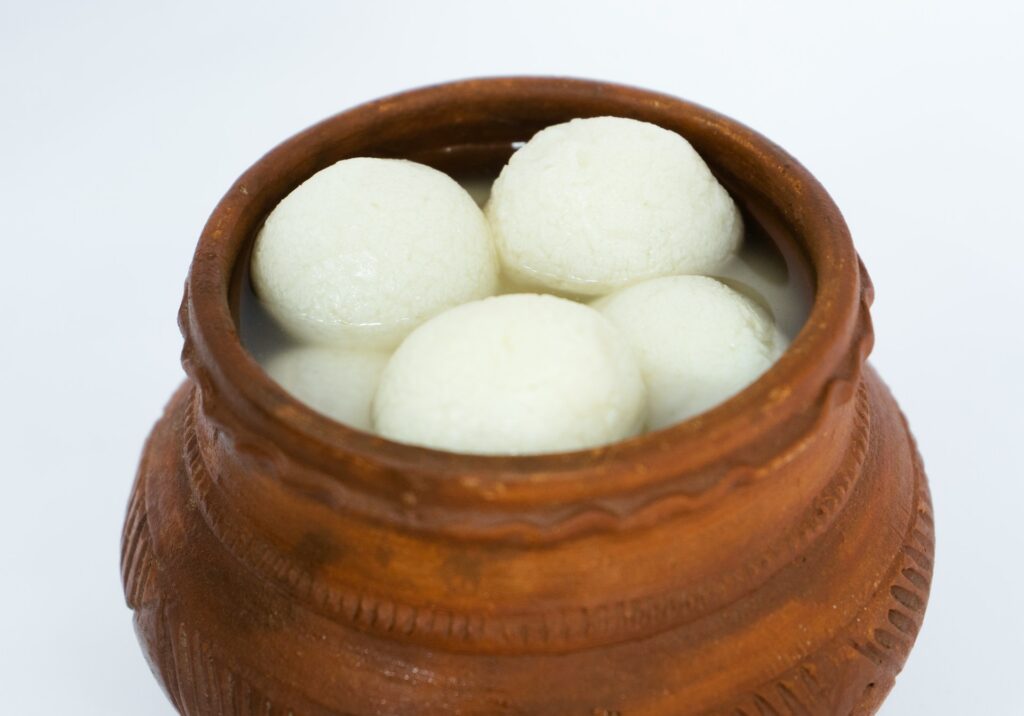
Roshogolla, chomchom, mishti doi, and sweets are sacred here.
Health catch:
Even fermented sweets like mishti doi are loaded with sugar. And sugar sneaks into pulao, parathas, and everything in between.
Sandesh Wisdom:
One piece is elegant. Three pieces? That’s dinner.
Nepal: Simple, Sweet, and Deep-Fried
Sel roti, puwa, yomari, homemade and humble, but usually deep-fried and dense.
Health catch:
“Simple” doesn’t mean low-calorie. Festive eating often means repeat servings and no portion control.
Sel Roti Truth:
Made with love. Fried in oil. Churro with a Himalayan passport.
Sri Lanka: Sweets with Spice
Jaggery, coconut, spice, rice flour, and Sri Lankan desserts are flavour bombs.
Think kalu dodol, wattalapam, kevum.
Health catch:
Dense and deceptive. Jaggery = still sugar. Coconut = still fat.
Wattalapam Fact:
Elegant, addictive and over 200 kcal per serving. Spoon, not shovel.
Are All Sweets Bad?
No. Not all sweets are created equal. Let’s bust some myths.
Myth 1: Sugar = poison.
Reality: Excess sugar is harmful. The occasional mithai won’t kill you, but guilt might.
Myth 2: Jaggery or honey is “healthy sugar.”
Reality: Slightly less processed, but still spikes blood sugar.
Myth 3: Sugar-free sweets are safe.
Reality: Many are ultra-processed and mess with your digestion.
How Do You Enjoy South Asian Sweets Smarter?
At SA Wellness, we say:
Don’t cut mithai. Cut confusion.
1. Choose Your Moment
Festivals, weddings, and first jobs, go for it. But eat mindfully.
2. Quality Over Quantity
Homemade over factory-made. Your childhood favourite? Make it count.
3. Watch the Company They Keep
Pair sweets with fibre or protein. Avoid eating them on an empty stomach.
4. Downsize the Drama
Half a sandesh is still a sandesh. Split a laddu. Share joy and glucose.
5. Move After You Munch
Even a 10-minute walk helps manage blood sugar.
Sweets are emotion, memory, and identity.
You don’t have to quit gulab jamuns.
You just have to understand them.
At SA Wellness, we help you eat like a South Asian, smartly, joyfully, without shame, because health isn’t about saying no to culture.
It’s about saying yes to balance.
And sometimes, that balance comes dipped in syrup.