
Why is it happening and what can you do to protect your health without giving up your culture?
Hypertension, often referred to as the “silent killer,” is more than just a medical term, it’s an urgent and rising concern within the global South Asian community.
For many South Asians living abroad, the threat of high blood pressure doesn’t always come with visible signs. You may be eating the same home-cooked meals your parents once made, maintaining a healthy body weight, and feeling perfectly well. And yet, your blood pressure could be quietly rising, putting you at increased risk for heart disease, stroke, kidney failure, and other long-term complications.
So why is this happening, especially in a generation more aware of health than ever?
The intersection of genetics, lifestyle migration, and Western environments has created a uniquely high-risk scenario for South Asians. Understanding this intersection is the first step toward prevention. Let’s explore the roots of this vulnerability and the culturally aligned steps you can take to regain control of your health without losing touch with your identity.
A Genetic Blueprint That Works Against Us
If your heritage traces back to India, Pakistan, Bangladesh, Nepal, or Sri Lanka, medical research paints a clear and concerning picture.
South Asians are statistically more likely to experience cardiometabolic conditions, including hypertension, compared to many other ethnic groups. Genetics play a significant role in this predisposition. Research consistently shows that South Asians are:
More likely to develop high blood pressure at a younger age
More salt-sensitive, meaning even moderate sodium intake can elevate blood pressure Prone to accumulating visceral fat (especially around the abdomen) despite having a lower BMI More likely to experience insulin resistance and low levels of HDL (the “good” cholesterol)
In short, being lean or active isn’t always enough. Even traditional vegetarian diets don’t automatically reduce the risk. Your biology may be quietly working against you.
The Diaspora Effect: How Migration Amplifies the Risk
While genetic factors lay the groundwork, it’s the lifestyle shifts that often intensify the problem. Life abroad often brings with it a complex mix of opportunity and trade-offs and some of those trade-offs show up on your blood pressure monitor.
1. A More Sedentary Lifestyle
Many immigrants transition into desk jobs, endure long commutes, and rely on modern appliances for chores once done by hand. Even short walks after meals, proven to support blood pressure and metabolism, are often left behind in the rush of Western routines.
2. Subtle Dietary Shifts
Moving abroad doesn’t just change what we eat, it changes how we eat. Common changes include having larger portion sizes, more processed or fried food, Increased consumption of restaurant meals or convenience foods and hidden sodium in packaged snacks, canned chutneys, and store-bought masalas. Even home-cooked meals, over time, tend to become richer, heavier, and saltier, without us realising it.
3. Chronic, Unspoken Stress
Immigration often comes with invisible pressures: adapting to a new culture, achieving professional stability, supporting family back home, and navigating identity. This chronic stress isn’t always acknowledged but it significantly contributes to long-term elevation in blood pressure.
4. Healthcare That Doesn’t Speak Our Language (Literally or Culturally)
Generic advice like “cut salt” or “reduce carbs” may fall flat when it’s unclear how to apply those instructions to meals built around daal, roti, achar, or chai. Without culturally specific guidance, many South Asians feel unseen and often disengage from proactive care.
Why Ignoring Hypertension Is Especially Dangerous for South Asians?
The most challenging aspect of hypertension is its silence. Often, there are no warning signs until something irreversible occurs. For South Asians, the consequences tend to be more severe and arrive earlier in life. Studies show that we are:
More likely to suffer heart attacks before the age of 50.
Frequently diagnosed with both diabetes and hypertension simultaneously. At greater risk of stroke, kidney disease, and early-onset dementia.
Despite these risks, check-ups are often delayed, symptoms are dismissed, and treatment is postponed, sometimes chalked up to “normal ageing.”
7 Culture-Smart Ways to Protect Your Blood Pressure
You don’t need to overhaul your entire lifestyle. You need to align wellness strategies with the rhythms of your life and culture. Here are seven practical, sustainable steps you can start today:
1. Get Proactive with Monitoring
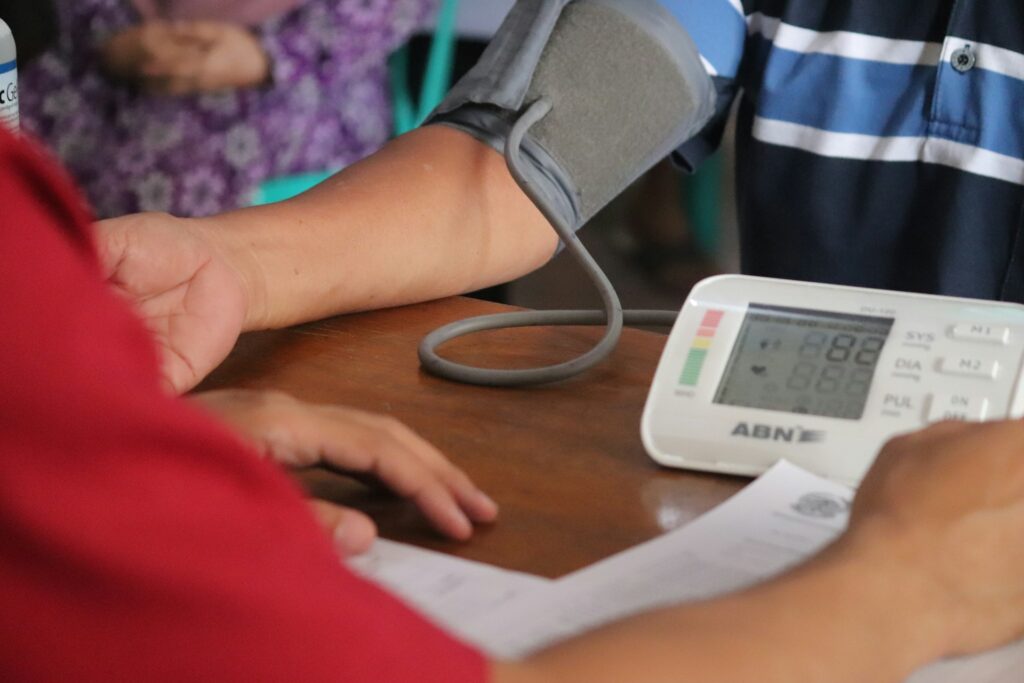
If you’re over 30 and of South Asian descent, start monitoring your blood pressure, even if you feel well. Try to get it checked twice a year at a minimum and consider investing in a home BP monitor for weekly tracking, especially if hypertension runs in the family.
2. Flavour Smart, Not Just Salt-Free
South Asian diets often include hidden sodium from pickles, papad, instant spice mixes, and restaurant meals. It’s important to choose fresh herbs, lemon, black pepper, cumin, and mustard seeds to enhance flavour. Limit packaged masalas or make DIY spice blends and avoid salt substitutes unless advised by a healthcare provider.
3. Carbs Aren’t the Culprit, Your Portions Are
Rice and roti aren’t inherently harmful. The key lies in balance. Try to pair carbs with protein: think daal, grilled paneer, tofu, eggs, or lean meats and add plenty of fibre-rich vegetables and leafy greens in your diet. Reserve fried items like pakoras or parathas for celebrations, not everyday meals.
4. Incorporate Movement After Meals
Even 10 minutes of gentle movement post-meal can regulate blood pressure and glucose. You can walk with a friend after dinner or take phone calls while pacing.
5. Reclaim Calm from Cultural Practices
Our traditions already offer stress-reducing tools. Use them. Start with 5 minutes of deep breathing twice daily. Make sure you reduce your screen time before bed. Try to engage in music, journaling, prayer, or spiritual rituals as daily anchors
6. Reevaluate Tea, Coffee & Tobacco Habits
Sweetened chai, frequent coffee, and occasional tobacco use (even socially) can silently raise blood pressure.
7. Build Health Plans That Reflect Your Roots
You don’t need to erase your culture to reclaim your health. You need a health plan that respects your food, your values, and your daily reality. This is where culturally informed care makes all the difference.
The SA Wellness Approach: Relevance Over Restriction
At SA Wellness, we believe that culture isn’t a barrier, it’s a starting point. Your daal, your rotis, your routines, they’re all a part of the solution, not the problem. Our approach is rooted in empathy, science, and cultural intelligence.
We support South Asians worldwide in designing wellness routines that make sense in real life, not just on paper. Because true wellness doesn’t ask you to choose between East and West. It invites you to blend them wisely.
Ready to take charge of your blood pressure without giving up your identity? Then this is your sign to begin. The future of South Asian health isn’t just about treatment. It’s about transformation through context, culture, and conscious choices.